For the past three years, AI has dominated boardroom agendas. Yet inside most enterprises, adoption remains slow, fragmented, and experimental.
The problem is rarely model performance. It is integration.
Most AI tools are deployed as external SaaS platforms requiring new logins, new permissions, new workflows, and new security exceptions. Each additional system increases operational friction and expands the attack surface.
Executives do not need more tools. They need systems that integrate seamlessly into their existing infrastructure.
AI agents are identities
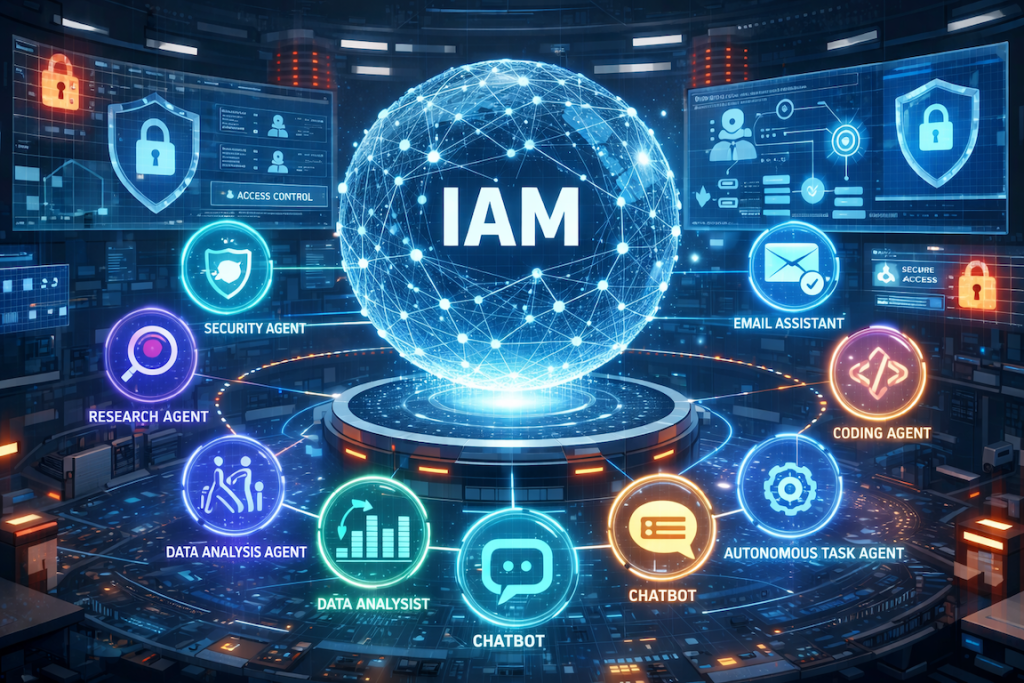
In 2026, the enterprise challenge is no longer chatbot deployment. It is governance of autonomous agents. Every AI system accesses data, executes actions, interacts with other systems, and generates operational outputs. In practice, each AI agent behaves like a digital employee.
Yet most organizations still treat AI tools as applications, not identities. ISACA calls this the authorization crisis of our time — and warns it will only compound as agents spawn other agents.
Extending Identity & Access Management (IAM) frameworks to AI agents is no longer optional. It is foundational.
"Integration is not a feature. It is the foundation of governed AI deployment."
From experimentation to operational AI
This is precisely why SeldonIA is architected to integrate directly with existing enterprise IAM environments such as Microsoft Entra ID. No additional identity silos, no parallel authentication layers. Single Sign-On, policy-based access control, immediate revocation and full visibility.
SeldonIA enables enterprises to deploy AI within their existing infrastructure, avoiding shadow IT and reducing adoption friction. Because scalable AI is not about adding tools — it is about embedding capability inside the systems you already trust.
Sources: ISACA, "The Looming Authorization Crisis: Why Traditional IAM Fails Agentic AI," 2025